

Youth and Adolescent Services
Whitmarsh House provides a continuum of care for youth and adolescent males. We work with each resident to meet their diverse and changing needs. Placements are based on each resident's age, level of maturity and stability, structure and independence requirements. As residents mature, they move through the various settings in a natural progression of less structure and increased individual responsibility.
Homes are designed with attention given to the family-like atmosphere. This offers more individualized attention, supervision and care for all residents. We are also proud to say that each resident has his own bedroom.
Whitmarsh collaborates with multiple agencies throughout the state to provide best care for our residents’ emotional, behavioral and medical needs. Families are encouraged and asked to be involved with all aspects of the planning for each resident. Family counseling is offered and every attempt is made to reunify the child with the family.
A great deal of care is also given to the development of community resources to encourage health social development, increased self confidence and supports for when resident is discharged. During their stay with us, they will be provided compassion, guidance and opportunity to grow and move forward in their lives.
Behavioral Health Intervention
Trauma-certified care by an independently licensed, Certified Clinical Trauma Professional (CCTP) clinician (or certified within 6 months of hire) or licensed associate supervised by the above CCTP. Clinical services typically occur once per week. Intensive Dialectical Behavior Therapy (DBT), Cognitive Behavioral Therapy (CBT) can be included in weekly individual counseling (family if needed) as well as other modalities, weekly house groups, monthly character development groups, and liaisons with outpatient psychiatrists and specialist clinicians (such as EMDR, SO, etc).
Our Framework: ARC
The Attachment, Regulation and Competency (ARC) Framework is a flexible, components-based intervention developed for children and adolescents who have experienced complex trauma, along with their caregiving systems. ARC’s foundation is built upon four key areas of study: normative childhood development, traumatic stress, attachment, and risk and resilience. Drawing from these areas, ARC identifies important childhood skills and competencies which are routinely shown to be negatively affected by traumatic stress and by attachment disruptions, and which – when addressed – predict resilient outcome.
ARC is designed as both an individual level clinical intervention, to be used in treatment settings for youth and families, and as an organizational framework, to be used in service systems to support trauma-informed care. The concepts identified by ARC may be applied to individuals from birth through young adulthood, and have been effectively used with youth with a range of developmental and cognitive functioning levels, and with a wide range of symptom presentations. Caregiver goals are designed to translate across many different types of caregiving systems, including primary (i.e., biological, kin, and foster parents), milieu (i.e., residential, group home), and organizational (i.e., teachers, youth program providers) systems of care.
A structured, routinized therapeutic milieu, informed by Justice Resource Institute (JRI) Trauma Center’s Attachment, Regulation, and Competency (ARC) framework, the integration of sensory tools and other self-soothing strategies, and formal and incidental learning opportunities for social skills, emotional self-regulation, physical and emotional boundaries, and daily living skills.
Adolescent Developmental Disabilities Program (ADDP)
Serving young men 16-20 years old with formal or rule-out diagnoses of mild to moderate developmental disabilities, serious learning disorders, or other cognitive impairments. ADDP employs family and person-centered practices by developing an individualized, strength-based, culturally competent and trauma certified plan of care that aligns with DCYF’s service plan. The program initially provides high-intensity clinical services, case management, and milieu therapy and will decrease the intensity of these services as the client approaches his goal of permanency or step-down to a family-based setting. The program is designed to assess and stabilize youth within three to twelve months. ADDP will collaborate with the youth, DCYF, engaged caregivers, providers, and natural supports to identify and address barriers to permanency and assist caregivers with developing safety plans and community resources to help prevent repeat maltreatment or placement disruptions.
Bridge Program Supervised Living (BPSL)
Serving young men 16-20 years old who are experiencing instability, complex trauma, substance use, legal issues, truancy, behavioral issues and mental health issues who need placement in a less restrictive setting as they work toward their goals of reunification step-down to family-based setting, or independent living. BPSL employs family and person-centered practices by developing an individualized, strength-based, culturally competent and trauma certified plan of care that aligns with DCYF’s service plan.
Independent Living Program (ILP)
ILP serves youth who are preparing for transition into adulthood and do not require supervision, rather guidance. It provides individual apartment-based living arrangements to up to 6 adolescents, ages 17-20 who may be experiencing instability, homelessness, trauma, substance use, legal issues, truancy, behavioral issues, and/or mental health disorders and need placement while working toward their goals of reunification, permanency, or independent living. Youth will receive up to 6 hours of case management/life skills services consistent with their level of independence and individual needs. Staff can also be provided as needed to assist with appointments, transportation, grocery shopping, job searches, etc.
Progress & Results
Whitmarsh has a 100% graduation rate/GED among our residents.
We're proud to have created opportunities for over 5,000 people over the past 51 years.
Whitmarsh graduates have gone on to have successful careers, including the following:
Chefs
Military Personnel
Therapists
EMTs
Lawyers
Police Officers
Authors
Businessmen
Painters
Computer Experts
 If you would like to volunteer your services or make a donation, please contact us at (401) 351-7230 or email us at Whitmarsh@WhitmarshCorp.org
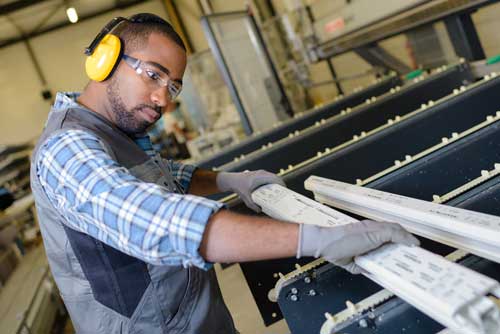
After Whitmarsh
Learn more about what happens after clients age out of Whitmarsh House programs.
Next Steps